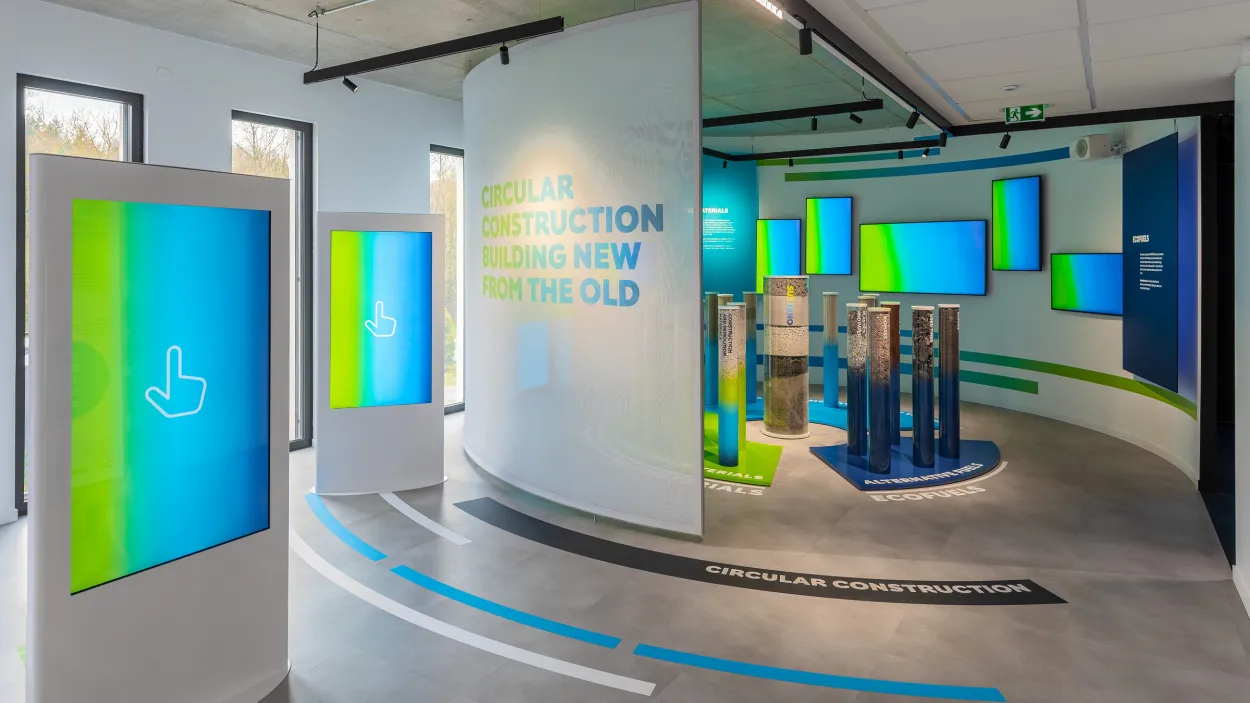
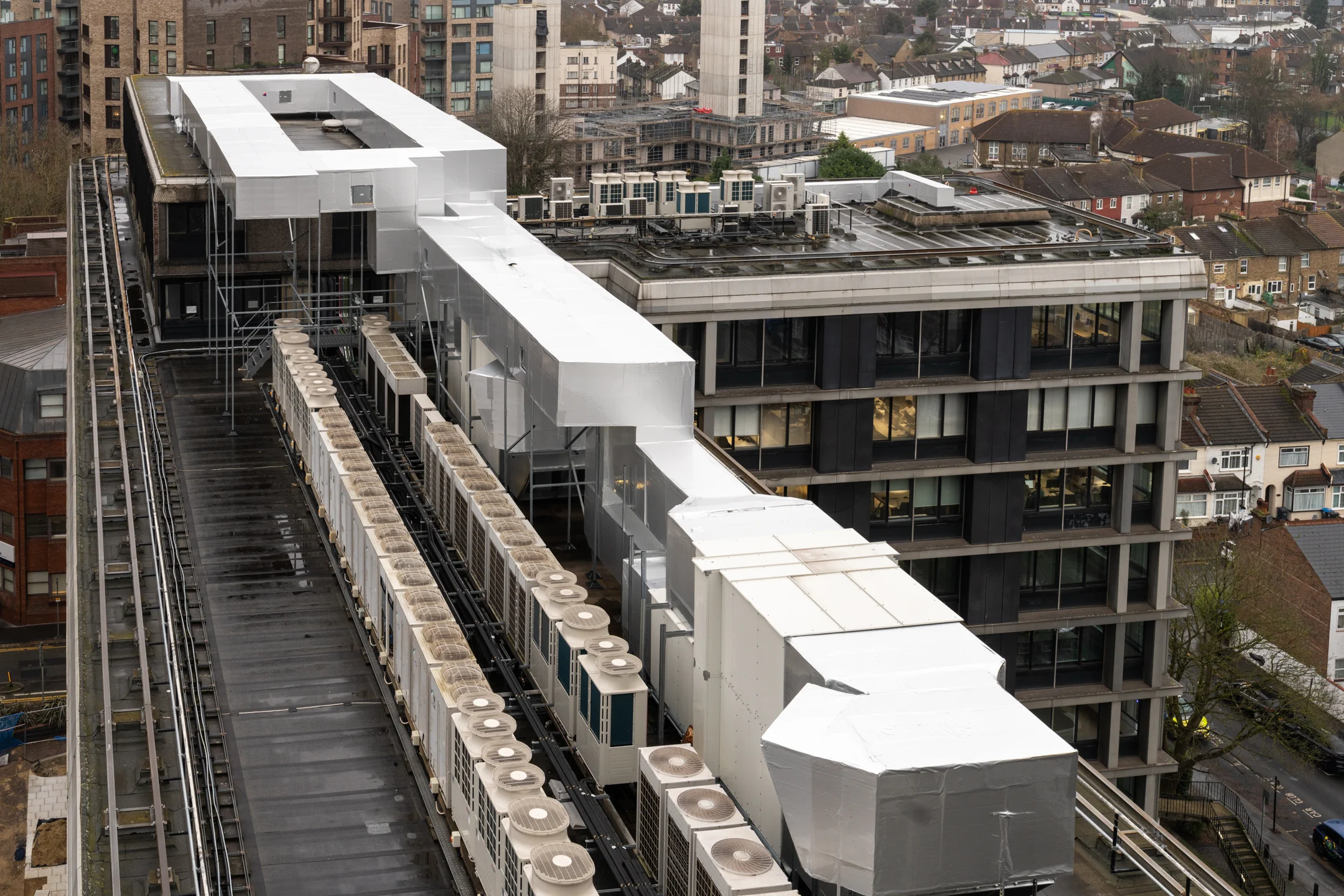
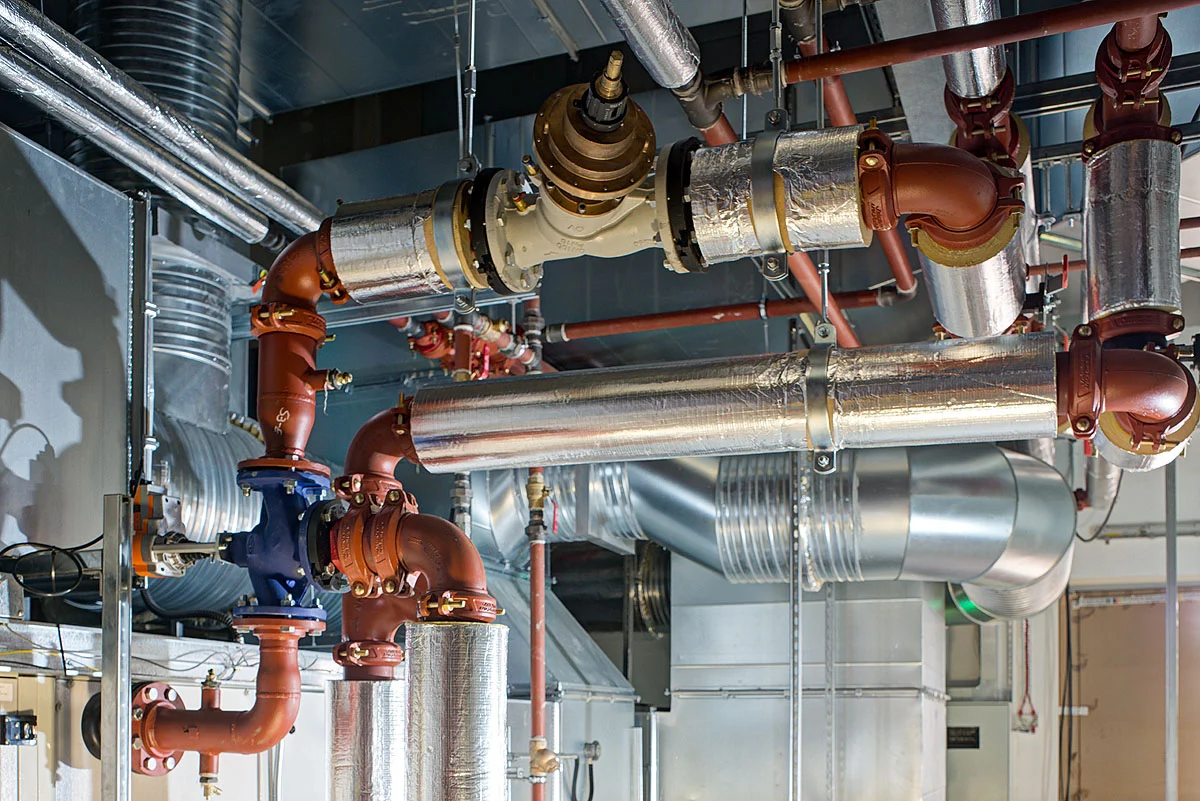
Search Filter Results Show all Case Studies News Insights Resources Pages Team 37 results for “” Insights Refurbishment vs. New Build: What’s Better for the Planet? In the quest to decarbonise the built environment, the construction industry faces a pivotal choice: build new or refurbish existing structures. While new builds often promise modern aesthetics and energy efficiency, the environmental cost, particularly in terms of embodied carbon, is substantial. Refurbishment emerges as a compelling alternative, offering significant carbon savings and aligning with sustainable development goals. Insights Inside Holcim’s Sustainable Construction Materials Our Head of Sustainability, Matt Robinson, recently joined a group of industry peers for an exclusive visit to Holcim’s Innovation Centre in Lyon. Insights A Cat B Fit Out Guide for the Modern Workplace An office should never feel anonymous. It should feel like yours, shaped by who you are, how your team works, and what your business stands for. A Cat B fit out is where that begins. Insights Futureproofing Commercial Assets with Decarbonisation in Construction With legislation tightening and demand for sustainable buildings rising, decarbonisation in construction has quickly shifted from an ambition to a necessity. In the UK, existing non-domestic buildings are responsible for almost 6% of total carbon emissions. Given that 80% of the buildings that will be in use in 2050 already exist, retrofitting is critical to achieving national net-zero goals. Insights How to Upgrade to a Sustainable Office Fit Out Without Starting Over The built environment has a sustainability problem, and it’s not just about new builds. Every time a refurbished office is stripped out again to meet shifting market trends, we lose more than just time and money, there’s also a significant environmental cost. Insights Why MEP Embodied Carbon Is the Industry’s Blind Spot When the conversation turns to sustainability in the built environment, attention often centres on structure, façade, and finishes. Yet some of the most significant carbon impacts lie out of sight, in the technical systems that keep buildings running. MEP embodied carbon. Mechanical, electrical, and plumbing (MEP) services, plant replacement, and exposed systems are essential to workplace function, but they carry a hidden carbon cost that cannot be ignored. Insights How MEP Systems Silently Shape Workplace Wellbeing Imagine you’re running a workplace experiment: keep the layout, the décor, and the furniture exactly the same, but switch off the ventilation, alter the lighting, and let the temperature drift. The difference in how people feel and perform would be immediate. That’s the influence of mechanical, electrical, and plumbing (MEP) systems that, when working well, fade into the background, yet when absent, reveal their role as the bedrock of wellbeing. These technical services are the silent influencers of wellbeing, impacting how people experience their workplace daily. Previous 1 2 3 4 Next